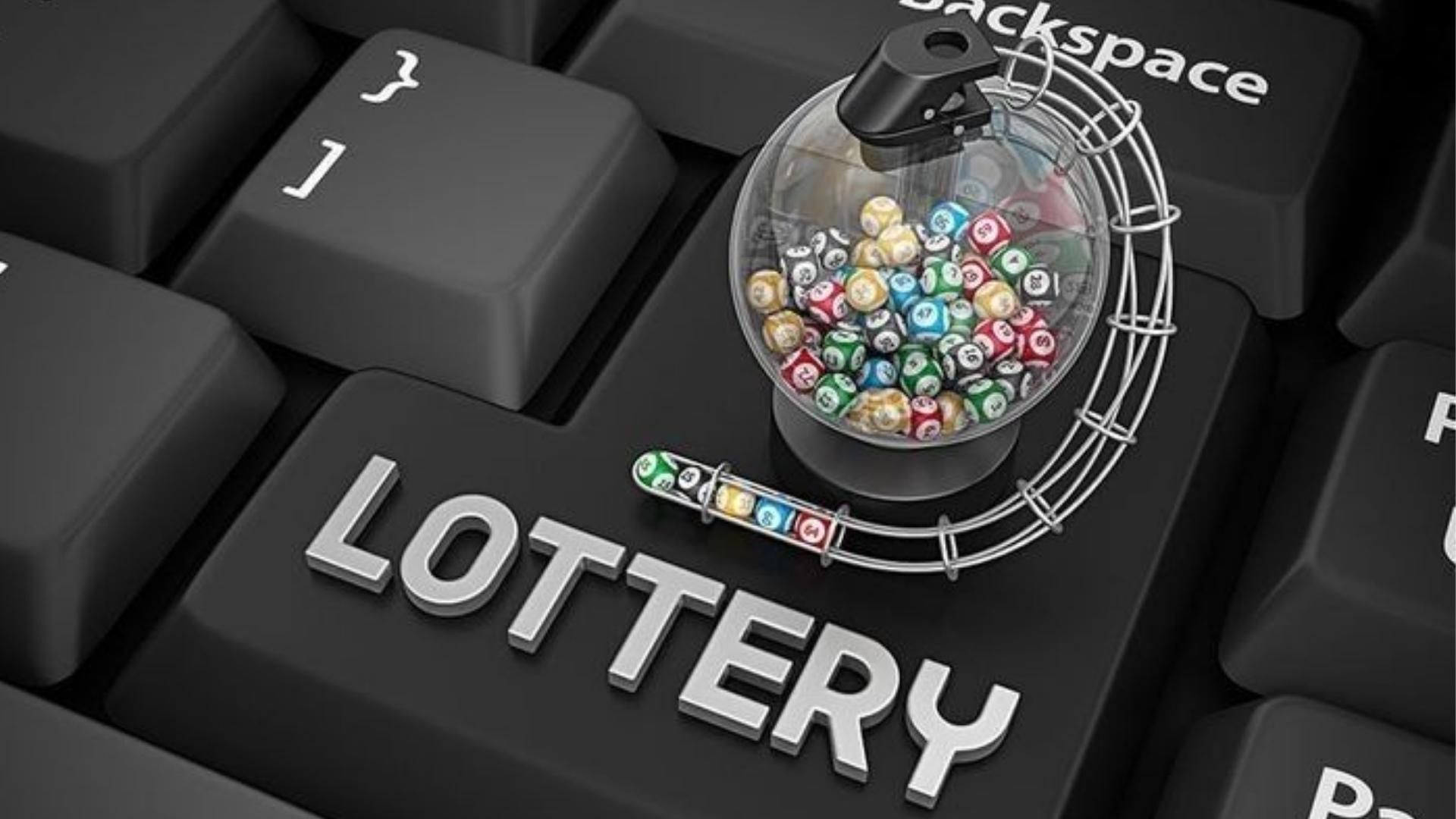
Engaging with word-based puzzle games is far more than a simple test of vocabulary and luck. Over time, these dynamic structures stimulate cognitive development and challenge players to continually refine their analytical skills. By looking closely at how the mechanics operate, we can see how this beloved setup keeps the mind sharp and receptive to new information.
Cognitive Benefits of Pattern Recognition
At its core, the game requires players to identify complex letter relationships and sentence structures under pressure. Every spin demands that you evaluate visual clues and mathematical probabilities to make the next logical choice. This consistent cognitive engagement trains the brain to recognize language patterns more rapidly over time.
Furthermore, players must learn from their past mistakes to avoid repeating unsuccessful letter choices in subsequent rounds. This trial-and-error method builds a resilient learning loop that extends far beyond the screen. As participants adapt to changing puzzle themes, they naturally expand their general knowledge and critical thinking abilities.
Overcoming Challenges Through Strategic Choices
Maintaining a balanced strategy is essential when navigating the unpredictable nature of a spinning wheel. Players must carefully weigh the risk of a bankrupt turn against the potential reward of gaining more puzzle clues. This continuous decision-making process helps individuals develop emotional control and long-term planning habits.
To test these strategy skills in alternative digital environments, some players explore diverse online options. For instance, accessing a reliable platform via a m88.com login alternatif provides enthusiasts with a place to study different puzzle structures and interactive mechanics. Applying structured theories to different game designs is an excellent way to practice adaptive learning.
Building Perseverance and Mental Flexibility
Continuous learning thrives on the concept of productive persistence, where players remain determined despite temporary setbacks. Facing difficult letter combinations or losing a turn teaches participants to quickly adjust their strategies. This mental flexibility is key to mastering the game and improving overall problem-solving skills.
As players move from basic puzzles to advanced thematic boards, they continuously build upon their previous linguistic experiences. This progressive learning structure ensures that the gameplay remains intellectually stimulating and highly satisfying. Embracing this ongoing cycle of challenge and mastery keeps the experience fresh for players of all skill levels.
The Role of Collaborative Learning
Many puzzle games are designed to be enjoyed with friends or family, which introduces a social learning aspect to the experience. Observing how other players approach the same puzzle allows you to discover new word-solving strategies. This shared journey makes the learning process both collaborative and highly entertaining.
Additionally, explaining your tactical decisions to other players helps solidify your own understanding of language rules. This active communication transforms a casual gaming session into an interactive and educational group activity. Ultimately, sharing the thrill of the spin fosters a community centered on mental growth and mutual support.
Developing a Lifelong Intellectual Habit
Consistently exercising the brain with spelling and vocabulary challenges can lead to lasting cognitive benefits as we age. Integrating these fun word puzzles into your daily routine offers a simple yet highly effective mental workout. This proactive habit keeps your mind sharp and ready to tackle everyday challenges with ease.
By transforming the quest for knowledge into an engaging game, players remain motivated to learn indefinitely. The satisfaction of finally solving a difficult puzzle reinforces the joy of personal development. Over time, this playful approach to learning creates a healthy lifestyle focused on continuous cognitive growth.